I grew up in Singapore—a concrete metropolis that was, until relatively recently, all jungle. The schools I attended there took students on trips outside the country, mostly to introduce us city children to nature. I had the extraordinary good fortune to travel to Malaysia, Indonesia, Thailand and Australia with my classmates and teachers. We went to all sorts of places—the beautiful hills of Chiang Mai, the lush rainforests of Borneo, the dry woodlands of Western Australia—but the trips I loved the most were ones that took us to water: seas, rivers, mangroves. Singapore is an island, but the surrounding waters don’t invite much swimming.
When I was 12, we went to the Great Barrier Reef. When we dropped anchor some miles off shore, fish swarmed every side of the boat. I held hands with a friend and jumped straight into a thick school of trevally. These big silvery fish slipped away from us before we touched them. Later that same afternoon, we were shuttled to a sandbar in a glass-bottomed boat. The other children talked constantly on the short ride over but I couldn’t pay attention to them; I could do nothing but stare at the blue below. A small octopus stamped with electric blue rings floated serenely right under my feet. I was mesmerized. Only later did I discover that the stunning creature was one of the deadliest animals in the ocean.
When I was 14, we were taken to Ko Samet, a small island in the Gulf of Thailand. I snorkelled every day in the technicolor reefs, surrounded by angelfish, butterflyfish, wrasses, groupers and puffers. It was busy! One morning, I caught sight of a black tipped reef shark stalking through the shallow water. It bewitched me; I spent the next hour following it everywhere.
When I was 17, I spent a week in Tioman, Malaysia, on a biology field trip. We were supposed to learn how to design experiments in the field. I tracked the movements of fiddler crabs. I don’t remember my research question, but I do remember I chose the crabs because it meant I could stay in the cool shade of the mangroves and do my work while lying in freshwater. One evening as dusk fell, I saw a mud snake slipping by right next to me. I watched it until it disappeared into the open water.
These trips were magical experiences, and they sent me back home with a different way to look at the world. Singapore might be more concrete jungle than rainforest now, but the islands’ original inhabitants—otters, monitor lizards, kingfishers, macaques—remain everpresent. When I moved to New York City at 18, I kept my eyes trained for the animals that shared the city with us humans, and found them everywhere: bats, squirrels, hawks, raccoons, coyotes.
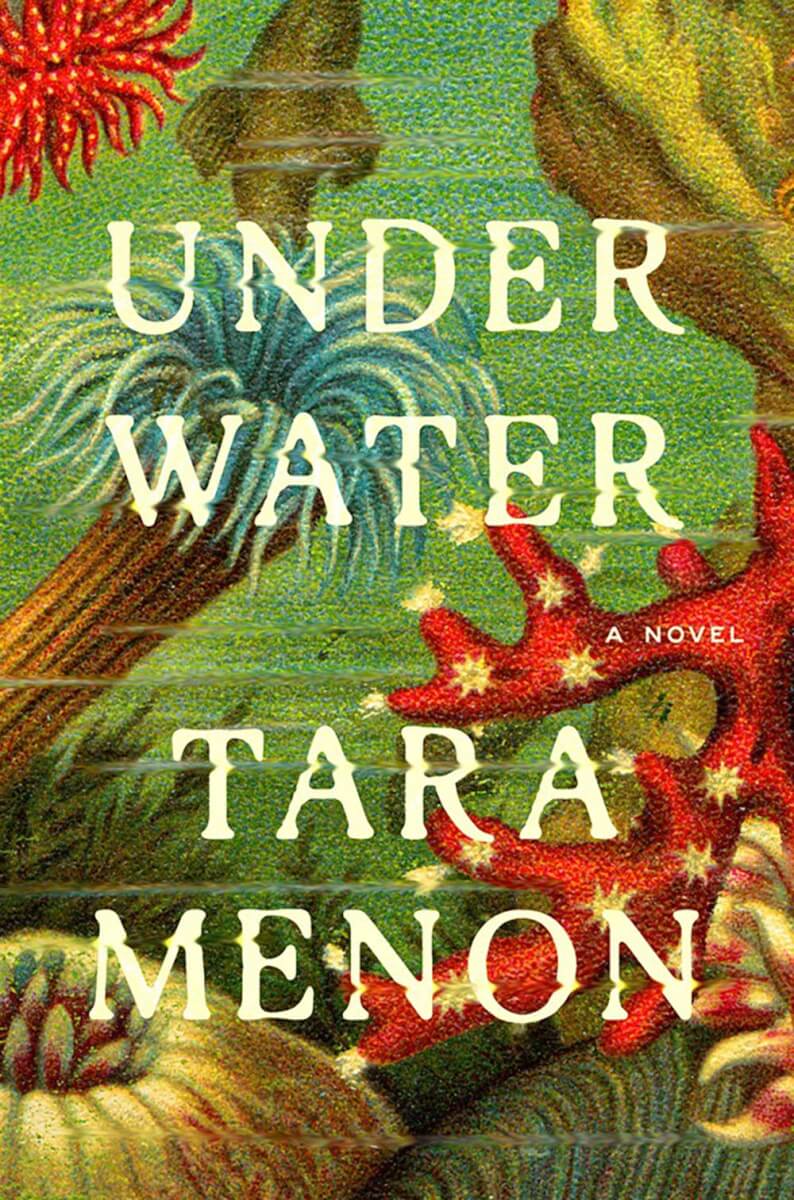
In my debut novel, Under Water, I try to transport the reader to the pristine reefs and forest of a tiny Thai island in Andaman Sea to reveal the many glories of the natural world that is disappearing everyday. I hope to instill some of the wonder that I felt on these trips. But I also hope the book can help people see that even in our most densely populated cities, like New York, we humans are always sharing our space.