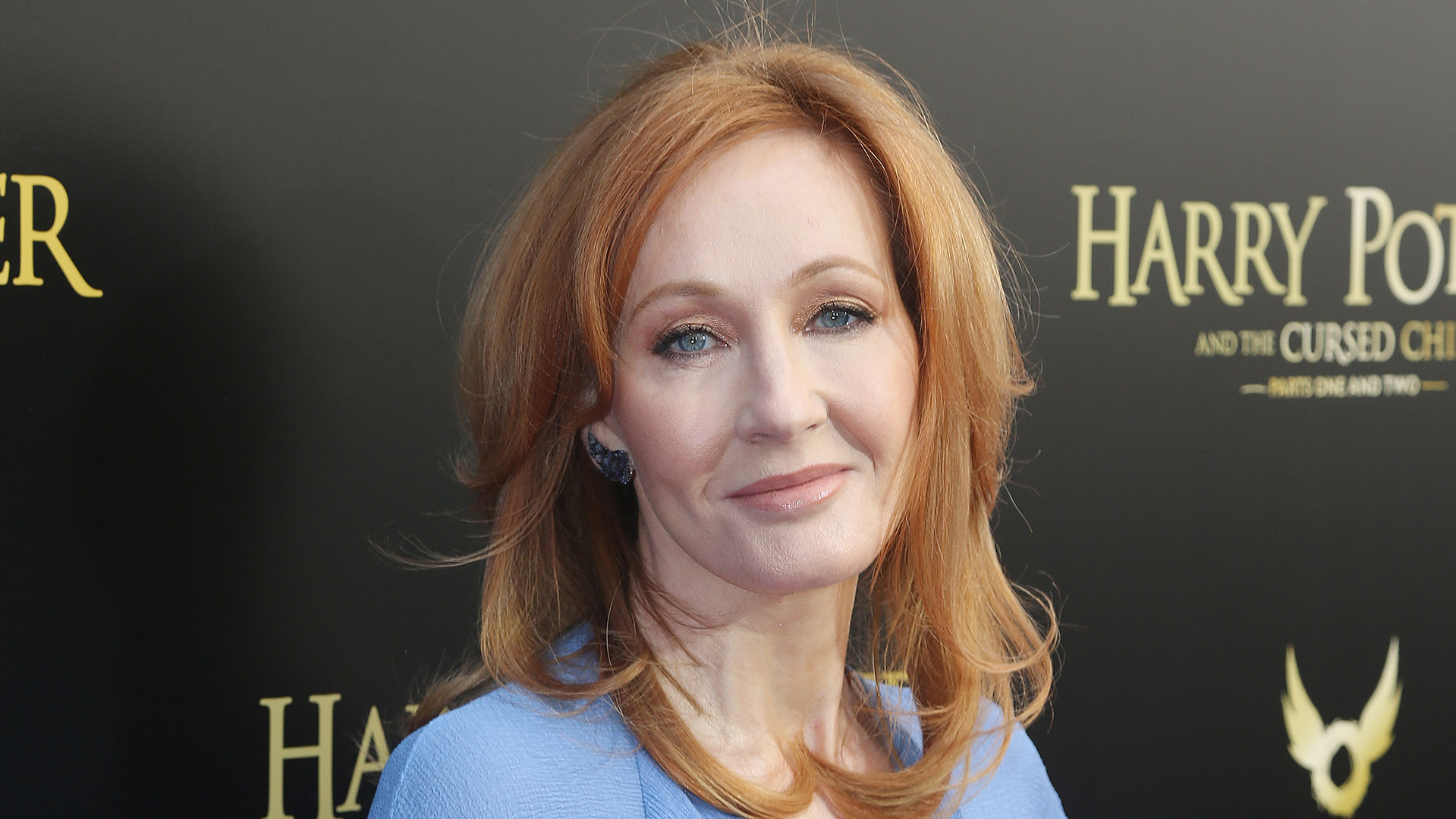
A new two-part BBC documentary will explore J.K. Rowling’s literary success and the controversies surrounding her anti-trans views. The project will trace the author’s journey from creating the beloved Harry Potter franchise to becoming an increasingly outspoken political figure whose public statements have divided fans and former collaborators over the years.
Currently titled J.K. Rowling, the documentary is being produced by Rogan Scotland for BBC Two, BBC Scotland and iPlayer. Across two hour-long episodes, it will examine her rise, cultural influence and contested legacy, using her life to explore three decades of social, political and technological change.
The first installment will focus on the creation of Harry Potter and the wizarding world’s extraordinary success. The books grew into a global entertainment franchise, giving Rowling fame and influence that extended far beyond publishing.
The second episode will examine what she has done with that platform. It will follow her public interventions on Scottish independence, feminism, free speech and gender identity, exploring how social media has amplified her political voice and placed her at the center of increasingly bitter online exchanges.
That portion of the documentary will cover a chapter of Rowling’s career that has become inseparable from discussions of her legacy. Her statements against transgender people have drawn sustained criticism from LGBTQ+ audiences and allies, including Harry Potter actors Daniel Radcliffe and Emma Watson. For many readers, Rowling’s anti-trans views have overshadowed their connection to a franchise they grew up loving.
The documentary’s announced structure brings those two parts of her public life into the same project: the author whose books became a cultural touchstone and the political figure whose views have alienated members of that audience.
To tell that story, the filmmakers will draw on archival material described as “rare,” Rowling’s own words and interviews with people who have worked with her throughout her career. According to Deadline, Rowling is aware of the production but will not be interviewed for it.
Simon Young, the BBC’s head of history commissioning, said the approaching 30th anniversary of the first Harry Potter book makes this a fitting moment to examine Rowling’s influence.
“No cultural history of Britain in the 21st century would be complete without the story of the boy wizard that JK Rowling created, the publishing and film-making phenomenon that she spawned, or the polarising public figure she has become.”
James Rogan and Mark Hedgecoe will serve as executive producers. The full interview lineup has not been announced, leaving it unclear whose perspectives will help shape the documentary’s examination of Rowling’s legacy.
J.K. Rowling is expected to premiere on the BBC in 2027.
Rowling’s Past Controversies
In 2019, she publicly supported Maya Forstater amid an employment dispute over Forstater’s statements about gender identity. In June 2020, Rowling mocked the phrase “people who menstruate,” language that includes trans men and nonbinary people alongside cisgender women.
She later published a lengthy essay outlining her views on sex and gender, framing her position around concerns about women’s rights and safety. Critics pushed back on its portrayal of transgender people, while Harry Potter stars Daniel Radcliffe and Emma Watson publicly affirmed their support for the trans community.
Rowling has continued to use social media to reject trans identities. In 2023, she responded “No” to a post stating that trans women are women and suggested she would accept prison time rather than use a trans person’s correct pronouns. She has also repeatedly misgendered trans journalist India Willoughby, who described her comments as “grotesque.”
Rowling has denied being transphobic and maintains that her stance defends women’s rights. Her repeated statements have nevertheless drawn sustained objections from transgender people and allies, becoming a central part of the contested legacy the BBC documentary plans to examine.