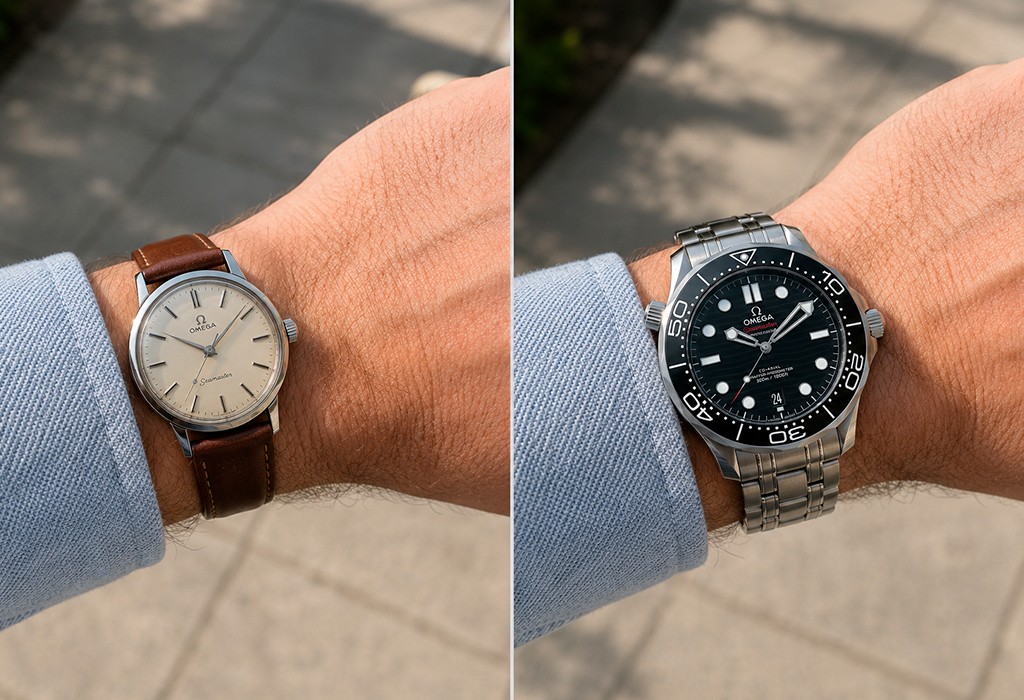
A reader sent me a photo last week of a 36mm Rolex Explorer on his 7.75-inch wrist. He asked the question I’ve been getting in some form three or four times a month for the past year: “Does this look ridiculous, or am I just not used to it?”
Honest answer: a little of both. The watch wasn’t ridiculous. His expectation was — because for fifteen years the menswear world told men with bigger wrists they had to wear bigger watches. Now the rules are shifting, and a lot of guys are caught between the proportion math they learned in 2012 and the smaller cases that watch brands, collectors, and the fashion press are pushing in 2026.
So let’s actually answer the question with some specifics, because most of what’s been written about the tiny watch trend is being written for guys with 6.5-inch wrists. If you’re a 7.25-inch-and-up guy — and a lot of you reading this are — the calculus is different.
This isn’t a “follow the trend” piece. It’s a “here’s what actually works on your actual wrist” piece.
REAL MEN REAL STYLE
Does The Tiny Watch Trend Work For Your Wrist?
Find your watch sweet spot in seven honest questions
Take the quiz, share your result.
The Old Rule (and Why It Worked for a Decade)
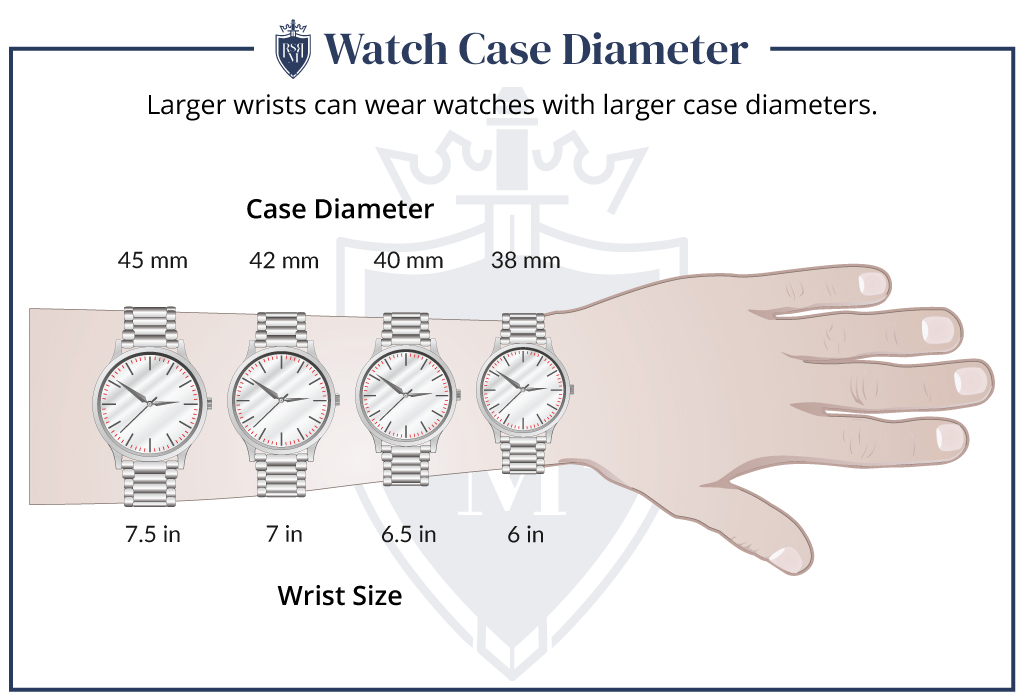
Back when I was fitting bespoke clients in the early 2000s, the rule of thumb on watches was the same one that had worked for generations of tailors: a watch should be proportional to the wrist it sits on. Smaller wrist, smaller watch. Bigger wrist, bigger watch. Anything else looked like a borrowed accessory.
That advice held up well through the era when oversized watches dominated. From roughly 2005 to 2020, the average men’s case crept from 38mm to 42mm and beyond. Panerai pushed Submariners-on-steroids past 44mm. IWC’s Big Pilot hit 46mm. Even Rolex enlarged the Datejust to 41mm and the Explorer II to 42mm.
If you had a 7.5-inch wrist, you had options. If you had a 6.5-inch wrist, you were quietly suffering. The mainstream menswear advice kept up: 7.5-inch wrist or larger, you can wear 44mm and 46mm comfortably. Smaller, stick to 38–42mm.
I’ve taught this rule myself across hundreds of articles and videos. It still appears in our how to buy the right watch size for your wrist guide. The math works.
That math just isn’t the only thing that matters anymore.
What’s Actually Happening in 2026
The trend is real and it has more weight to it than most fashion stories. Three things are driving it:
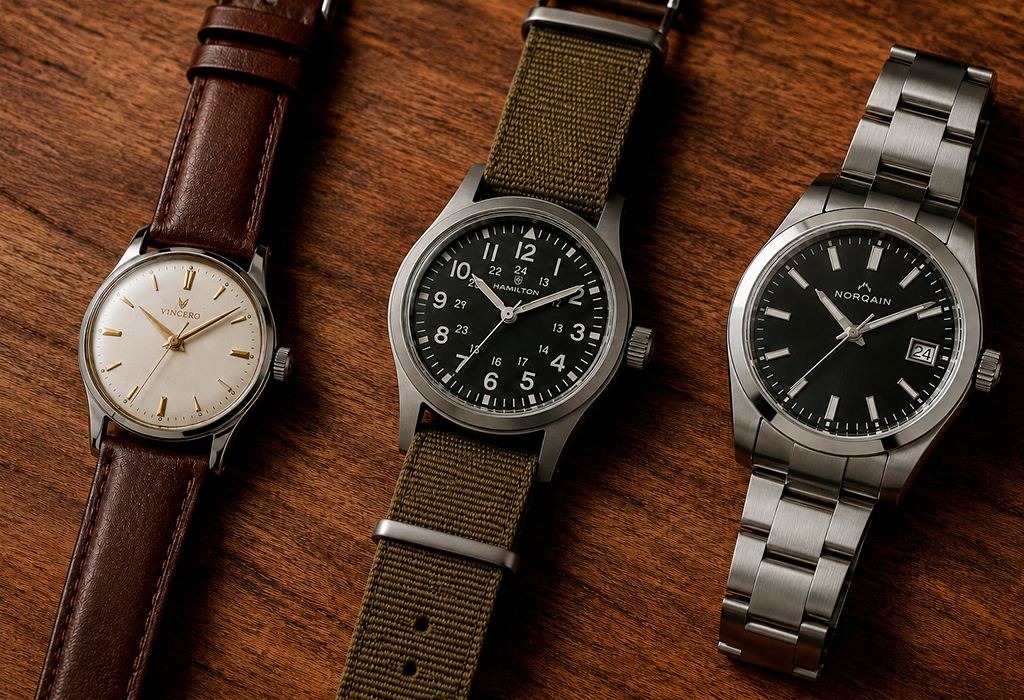
The watch industry shifted. Rolex now makes the Oyster Perpetual in 34mm and 36mm again. Tudor’s Black Bay 58 dropped from 41mm to 39mm specifically because customers asked. Blancpain just released a 38.2mm Fifty Fathoms in 2025 — a watch that used to be 45mm. Microbrands like Baltic, Lorier, and Studio Underd0g are launching almost everything under 38mm. When the brands that actually make the watches start downsizing, that’s not a trend — that’s a market.
Vintage sized everything for decades. The original Rolex Datejust from 1945 was 36mm. The Explorer was 36mm until 1989. Vintage Patek and Vacheron from the 1950s and ’60s rarely went above 35mm. The “tiny watch trend” is partly just a return to what watches looked like before the Sylvester Stallone Panerai era. Smaller watches were the standard for most of the 20th century — what we lived through from 2005 to 2020 was the actual outlier.
Quiet luxury hit horology. When men with means started wearing $400 cashmere instead of logo hoodies and discontinued watches instead of new releases, the visual signal of wealth got smaller and more confident. A 36mm Datejust on a leather strap reads sophisticated to people who know what to look for. A 44mm flashy diver reads like 2014.
The result: a guy with an 8-inch wrist who walks in wearing a 36mm watch in 2026 doesn’t look like a kid playing dress-up. He looks like a man who knows what he’s doing.
The Real Question Isn’t Diameter — It’s Lug-to-Lug
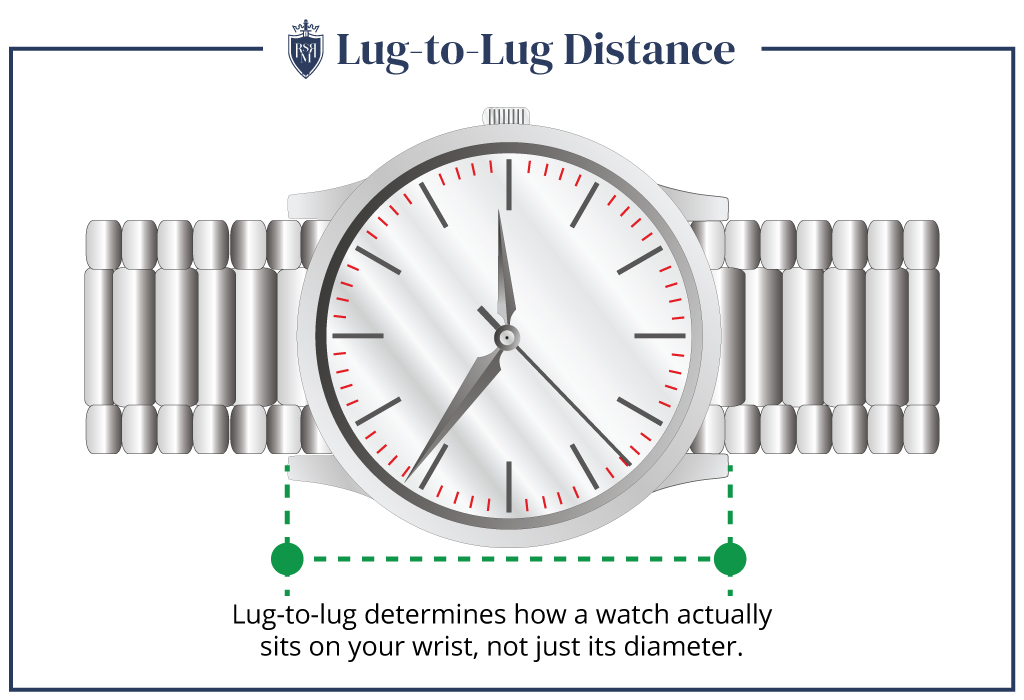
Before we go any further, you need to learn one measurement that will save you from 90% of the bad watch decisions of your life.
It’s called lug-to-lug — the distance from the tip of the top lug to the tip of the bottom lug, measured along the length of the watch. This is the number that determines how much real estate the watch actually occupies on your wrist. Case diameter is the headline. Lug-to-lug is the truth.
Two examples to make this concrete:
The Hamilton Khaki Field Mechanical has a 38mm case but a 47mm lug-to-lug. It wears like a 41–42mm watch.
The Seiko Turtle has a 45mm case but a 47.7mm lug-to-lug. Its lugs barely extend past the case. It wears like a 41–42mm watch despite being objectively larger.
Same effective wrist presence. Different headline numbers.
Most jewelers and watch experts use a simple formula for proportion: lug-to-lug should be 75% to 95% of your wrist width. Your wrist width — not circumference — is roughly your wrist circumference divided by ?, or about a third. So a 7.5-inch (190mm) wrist circumference works out to about 60mm of wrist width. The math says your sweet spot for lug-to-lug is roughly 45–57mm.
That range is wider than you’d think. It means a 36mm watch with 44mm lug-to-lug — what most people call “tiny” — actually sits within the proportional sweet spot for a 7.5-inch wrist. Especially if the lugs are short and curved.
Now you know why the reader’s 36mm Explorer on a 7.75-inch wrist didn’t actually look ridiculous. The lug-to-lug was 43.6mm. Well within range.
When Smaller Watches Actually Work on Bigger Wrists
Here’s where I’ll get specific about what works and what doesn’t on a 7.25″+ wrist. This is the section the trend pieces are skipping.
A smaller watch works when it’s a dress watch
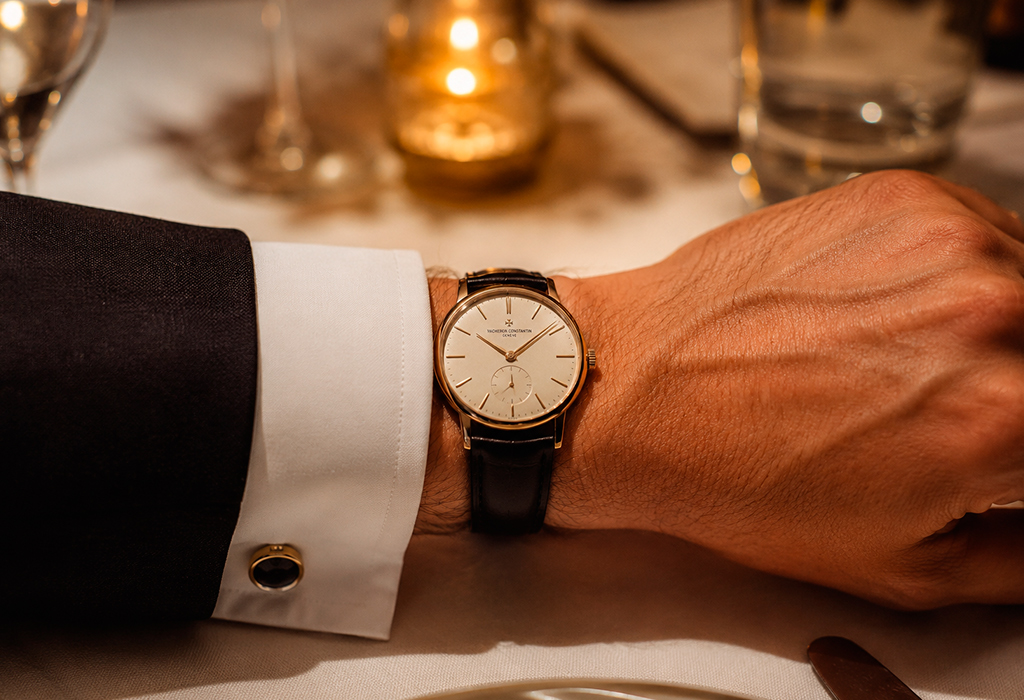
That’s the easiest win on a bigger wrist. A slim 36mm dress watch on a leather strap, worn under a French cuff or a button-down at a dinner — that look has worked for a hundred years and it works now. The smaller case reads intentional, refined, deliberate. Cartier built an empire on this principle. The Tank Solo at 27mm × 35mm has been worn by JFK, Andy Warhol, and three generations of confident men with normal-sized wrists.
Why it works on a bigger wrist: dress contexts reward subtlety. A small watch under a dress shirt cuff — barely visible, with a thin profile that doesn’t catch the fabric — is a signal of taste. A 44mm chronograph in the same setting reads like you don’t trust the rest of your outfit to do the talking.
A smaller watch works when the lug design hugs the wrist
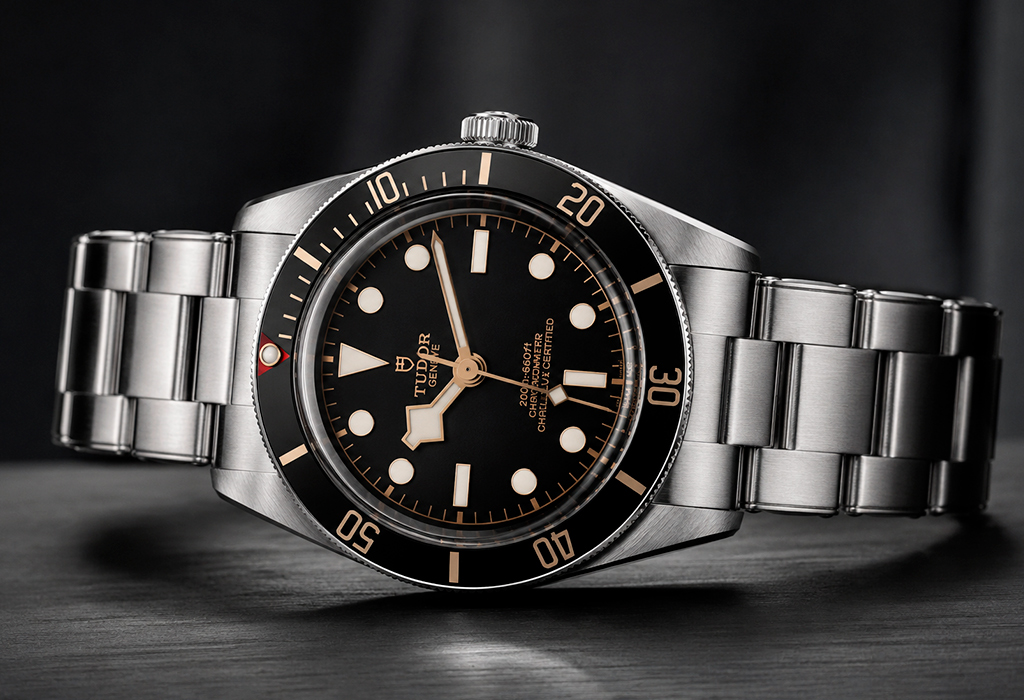
Watches with short, downturned lugs sit closer to the wrist and look proportionally larger than their diameter suggests. A 36mm Tudor Black Bay 36 with curved lugs wears bigger than a 36mm watch with long, flat lugs sticking straight out. Same diameter. Different visual presence.
Curved lugs work for bigger wrists. Flat, extended lugs on a small case look proportionally fussy.
A smaller watch works when the dial is busy
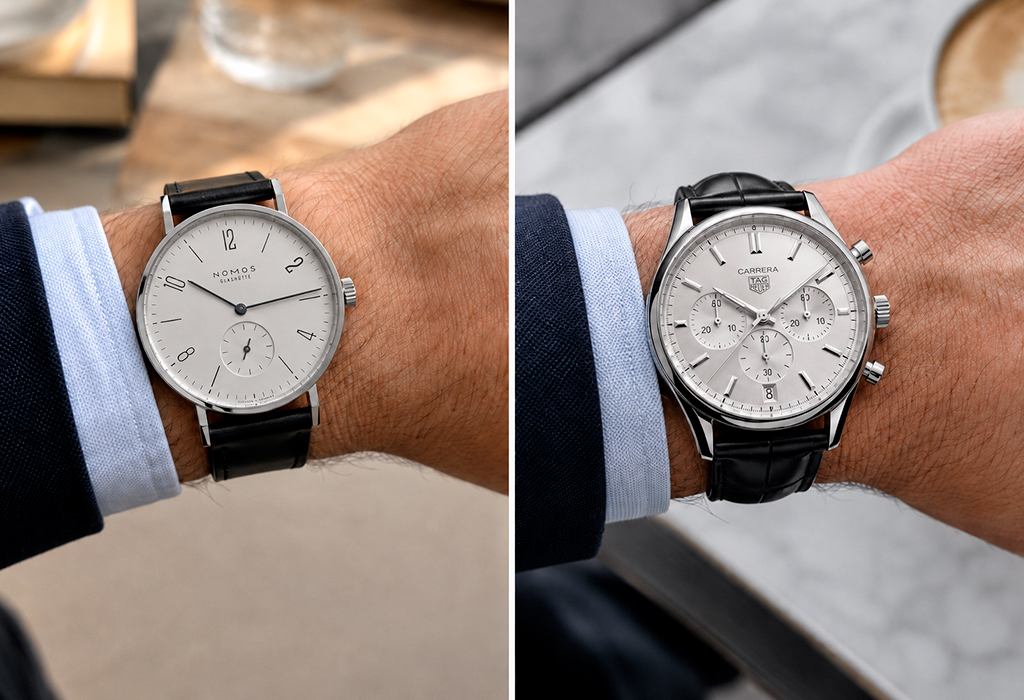
A “tiny” watch with a complex dial — sub-seconds, a date window, applied indices, contrasting hands — reads larger than a minimalist dial of the same diameter. Your eye fills in dimension based on visual complexity. This is why a 38mm chronograph with three sub-dials looks substantial on an 8-inch wrist while a 38mm minimalist Bauhaus piece can look thin.
Field watches are the easiest example. When I was in the Marines, the watches issued to officers were 36mm — and on the wrist of a 200-pound infantry guy with forearms developed by a year of patrols, those 36mm field watches looked completely correct. Black dial, big white numerals, contrasting second hand. The visual weight of a busy dial does the same work as five extra millimeters of case.
If you’re going small on a bigger wrist, lean into busier dials. Vintage chronographs and texture-heavy dials all gain wrist presence without gaining millimeters.
A smaller watch works when it’s on a metal bracelet rather than leather

This is counterintuitive to a lot of guys, so pay attention. A 36mm watch on a leather strap can look small on an 8-inch wrist. That same 36mm watch on an integrated steel bracelet — Royal Oak, Datejust on Jubilee, Cartier Santos — reads about a size larger because there’s no break between case and bracelet. The metal carries the visual weight across the whole wrist.
For bigger wrists going small, integrated bracelets are your friend. Leather straps on small watches are dressier, but they emphasize the size differential.
When Smaller Watches Don’t Work on Bigger Wrists
Now the other side, because this is where the trend pieces lie to you.
When it’s a sport watch trying to look serious
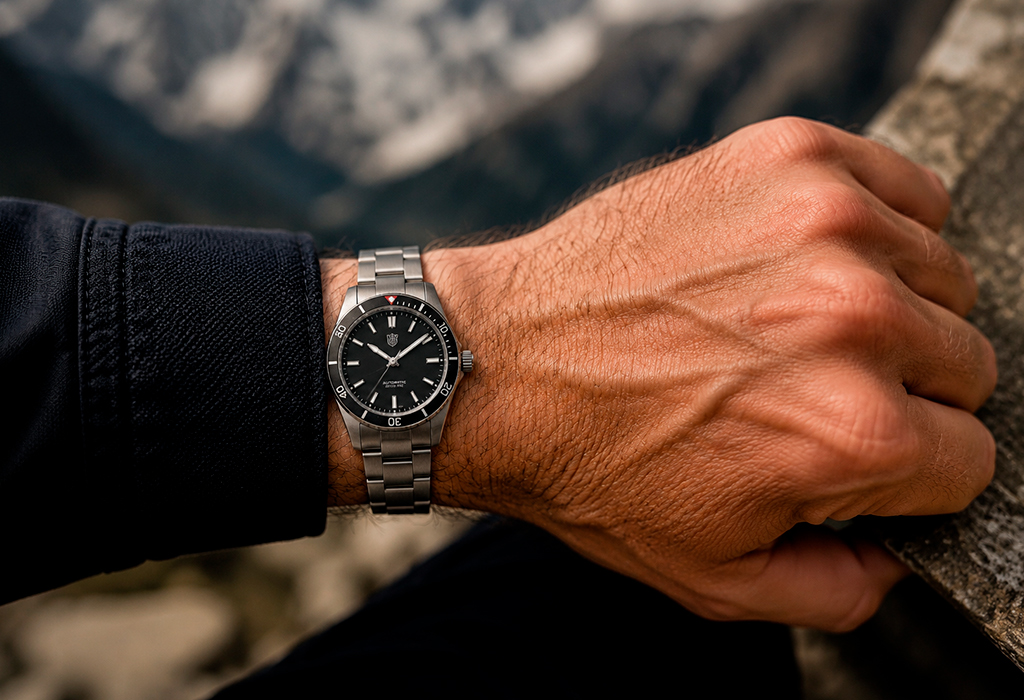
A 34mm dive watch on a 7.75-inch wrist looks wrong. Not because it’s small — because it’s pretending. Sport watches earned their dimensions for functional reasons: bigger crowns to operate in cold or with gloves, bigger dials for legibility underwater, beefier cases to handle pressure. Strip the diameter without changing the design language and you get a watch that looks like a costume version of itself.
If you want a smaller sport watch on a big wrist, the Tudor Black Bay 58 (39mm) and the Rolex Explorer 36 (36mm) both work because they were originally designed at those sizes. They don’t read as shrunken — they read as authentic. A modern 38mm dive watch with a chunky bezel and oversized hands does read shrunken, because the design language fights the case size.
When the case is too thin for the wrist

Big wrists with circumference and presence need a watch with some vertical dimension to balance them. An 8mm-thick dress watch on an 8-inch wrist can look like a coin taped to your forearm. There’s no mass.
Go for cases in the 10–12mm thickness range when you’re on a bigger wrist and want to wear smaller diameters. That gives you proportion and presence even when the diameter dips into “small” territory. A 36mm watch at 11mm thick reads more substantial than a 38mm watch at 7mm thick.
When you’re overcompensating
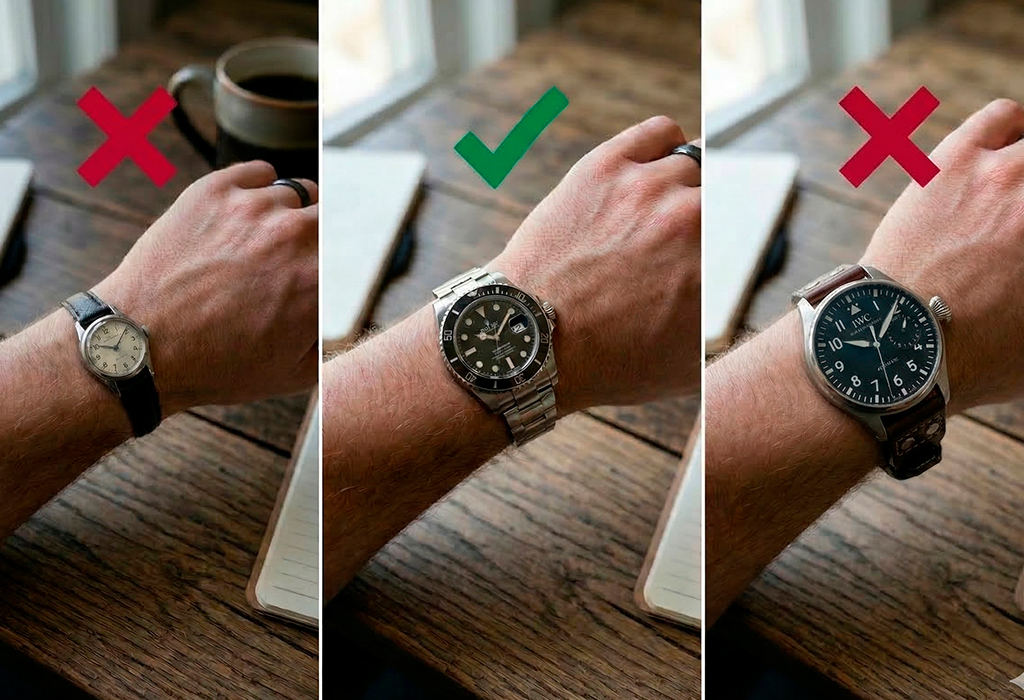
The worst small-watch-on-big-wrist look is when a guy is clearly making a statement about not wearing a big watch. Forced minimalism reads as performance. The guy with the 30mm watch on an 8-inch wrist who keeps drawing your eye to it is doing the same thing as the guy with the giant Hublot — both want you to notice. Just in opposite directions.
The right small watch should disappear into the outfit. If your watch becomes the conversation, the cut is wrong, no matter which direction it errs.
How to Transition Down Without Buyer’s Remorse
If you’ve been wearing 42mm-and-up watches for years and you want to try smaller, don’t sell your collection and replace it overnight. I’ve watched too many guys do that, regret it within six weeks, and end up paying retail to rebuild what they already had. Here’s how I’d actually run the transition.
Start with a smaller dress watch, not a smaller sport watch
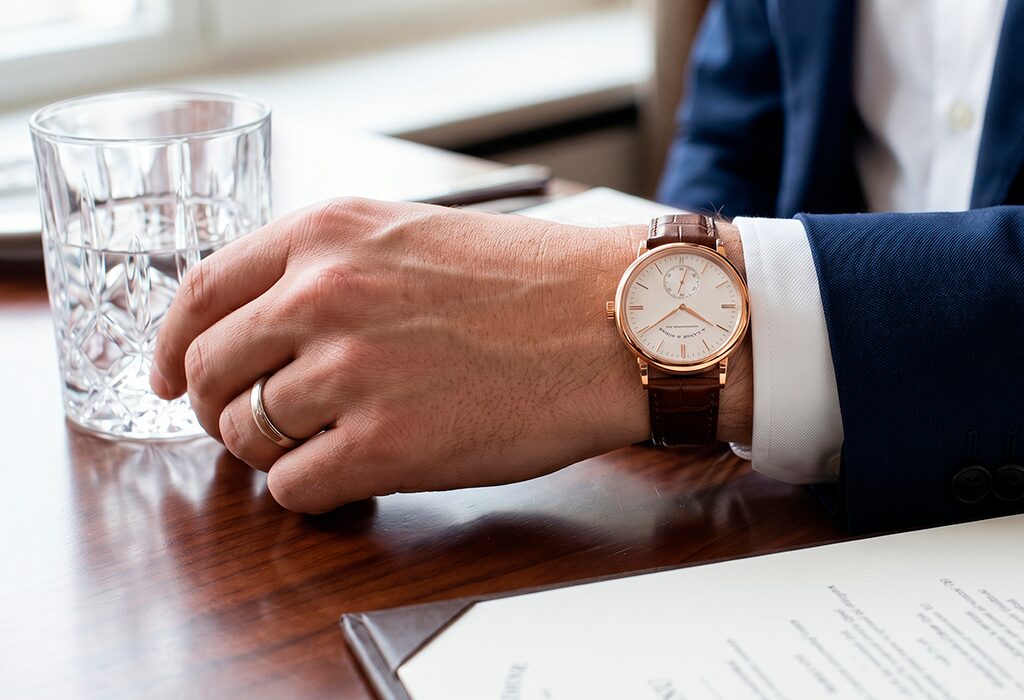
Your eye needs to recalibrate, and dress watches are the gentlest place to start. Pick up a 36–38mm dress piece on a leather strap — vintage Hamilton, modern Nomos Tangente, or a used Tissot Heritage Visodate sit in the $200–$1,200 range.
Wear it with a button-down for a month. Your eye adjusts faster in dressier contexts because the cultural reference for “small dress watch on a big wrist” already exists — JFK had an 8-inch wrist and wore a Cartier Tank.
Add a smaller field or military piece next

After the dress watch lands, try a 38–39mm field watch like the Hamilton Khaki Field or Tudor Ranger. These are designed at smaller sizes — they’re not shrunken sport watches. The 47mm lug-to-lug on the Hamilton means it occupies real estate on a 7.5″+ wrist while still reading as the smaller, more intentional piece it is.
Keep your bigger sport watches for the contexts that earned them

A 42mm dive watch on the boat or the trail still works. The 44mm chronograph at a casual dinner with friends still reads correct.
This transition isn’t about replacing — it’s about expanding what’s in rotation. Five years ago I would’ve worn a 42mm watch to a client meeting. Today I’d reach for a 38mm. But on a Saturday I’m still wearing the bigger pieces, and they don’t feel dated. They feel right for the day.z
A Specific Sizing Framework for Bigger Wrists
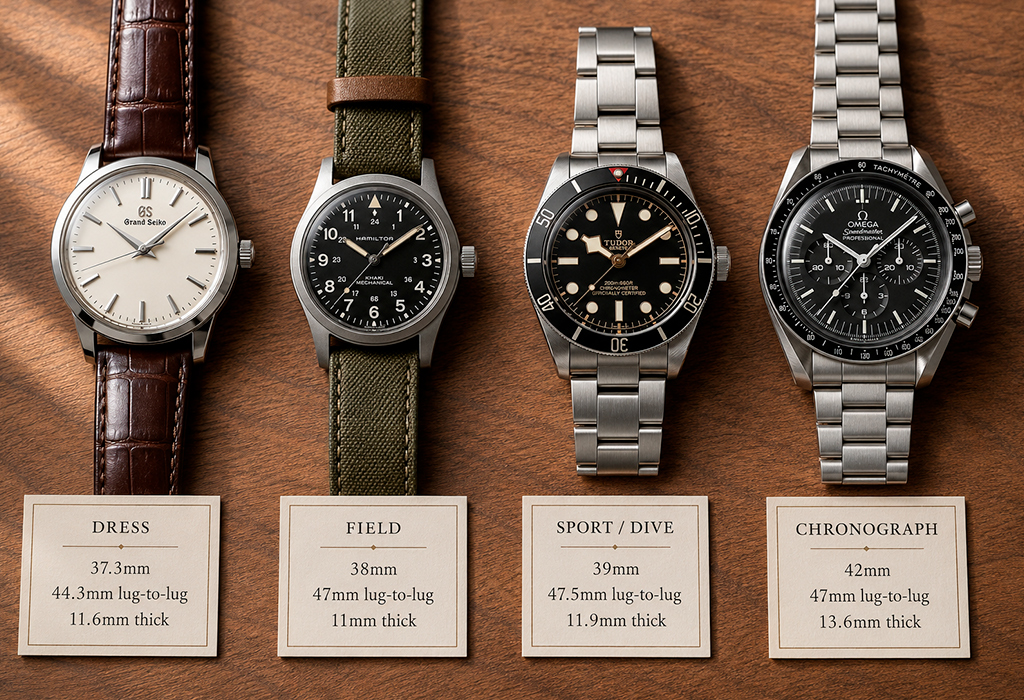
On wrists 7.25″ to 8.5″, here’s how I’d think about case sizes for different watch types:
Dress watches: 36–39mm diameter, 42–46mm lug-to-lug, 7–10mm thick. Examples that genuinely work on bigger wrists: Rolex Datejust 36, Cartier Tank Solo XL, Grand Seiko SBGW231 (37.3mm), Nomos Tangente 38.
Field and military watches: 38–40mm diameter, 46–48mm lug-to-lug, 11–13mm thick. The Hamilton Khaki Field Mechanical at 38mm wears like a 41mm because of its 47mm lug-to-lug — perfect math for an 8-inch wrist. Same with the Tudor Ranger at 39mm.
Sport and dive watches: 39–42mm diameter for the smaller end of the trend. Tudor Black Bay 58 (39mm), Rolex Explorer 39, Omega Seamaster Aqua Terra 38 — these all sit in the proportional sweet spot for bigger wrists without crossing into “tiny” territory.
Chronographs: Stay in the 39–42mm range. Chronograph dials need real estate to read properly. The Omega Speedmaster Professional at 42mm is the gold standard here, and it’s worth noting that even at 42mm, it has a 47mm lug-to-lug — well within proportion for a 7.5″+ wrist.
How to Test Whether a Smaller Watch Works on Your Wrist
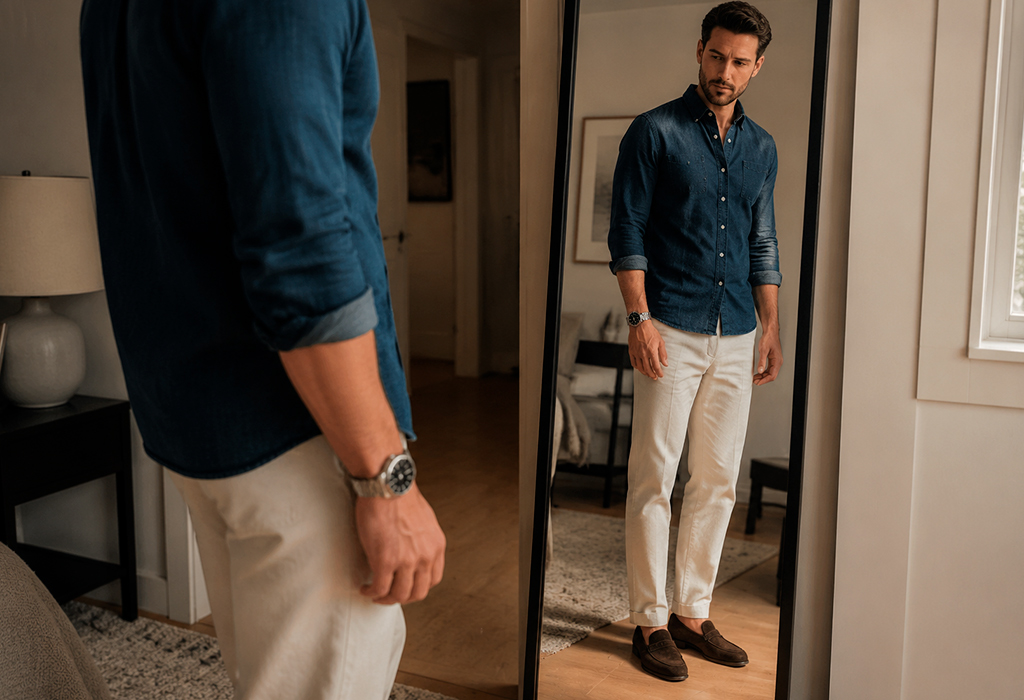
You don’t need a tailor’s eye for this. Three tests, in order:
- The cuff test. Put on a dress shirt and the watch. Sit at a desk with your forearm flat. Your watch should peek out from under your cuff slightly when your wrist is bent — about a quarter to half of the case visible. If the cuff swallows the watch entirely, it’s too small. If the cuff rides up over the case, it’s too thick.
- The mirror test. Stand in front of a full-length mirror with your arms relaxed at your sides. Look at the photo (yes, take a photo — your live perception lies to you). If the watch reads as a piece of jewelry that belongs to your overall silhouette, it’s working. If your eye snaps to the wrist as a focal point, the proportion is off in one direction or the other.
- The 24-hour test. Wear the watch for a full day before deciding. Most “this looks weird” reactions to smaller watches come from the first hour, when your eye is still calibrated to whatever you wore yesterday. After eight to ten hours of normal wear, you’ve adapted, and you can judge it honestly. The watch that looked too small at breakfast often looks exactly right by dinner. (And if it still looks wrong at dinner, listen to that signal.)
The Honest Verdict
Can a guy with a 7.5″+ wrist wear a smaller watch in 2026? Yes — but with discipline, not blindly.
The trend works for bigger wrists when you stay in the 36–39mm range with proportional lug-to-lug (44–48mm) and adequate case thickness (10–12mm). It works for dress contexts more than sport contexts. It works on integrated bracelets more than thin leather straps. And it works when the watch was originally designed at a smaller size — not when a brand has shrunk a 42mm sport watch to ride the trend.
The trend doesn’t work when you go too small (under 35mm), when the lugs extend too far (over 48mm on a small case looks awkward), when the case is too thin (under 9mm on an 8-inch wrist disappears), or when you’re wearing the watch to make a point about your taste rather than because it actually looks good.
If you take one thing from this article: stop shopping by diameter alone. Get the lug-to-lug. Get the thickness. Try the watch on.
Then take a photo. Wear it for a day. Trust your eye after the eye has adjusted, not before.
The men who look the most expensive aren’t the ones following the trend. They’re the ones who own watches that fit them — sometimes bigger, sometimes smaller, always proportional. That hasn’t changed in a hundred years and it won’t change in the next ten.
Also read: 10 Watch Styles Every Man Should Know